Research & Internship Program
at KITES Robotics

Advancing Human-Centered Robotics
through Intelligent Systems

Exploring humanoid robotics, artificial emotional intelligence,
and animatronics to develop responsive, adaptive,
and real-world ready robotic technologies.

Humanoid Robotics

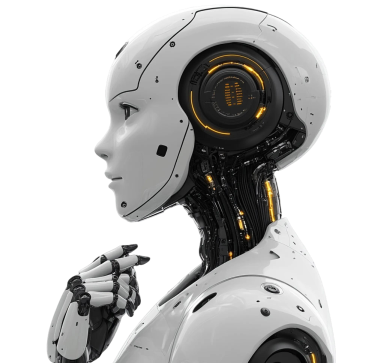
In advanced research environments, humanoid robotics focuses on developing machines that replicate human structure, movement, and interaction capabilities to function naturally in human-centered spaces. By integrating mechanical design, control systems, and intelligent perception, humanoid robots are engineered to perform tasks that require balance, coordination, and adaptive decision-making. These systems are designed not only to execute programmed actions but also to respond dynamically to environmental changes and human presence. Through applications in education, healthcare, and assistive technologies, humanoid robotics aims to enhance collaboration between humans and machines. The fusion of physical embodiment with intelligent behavior enables robots to communicate through gesture, posture, and motion, creating more intuitive and meaningful interactions. This approach supports the broader goal of designing robotic systems that can coexist with humans,and contribute to safer, more efficient, and more responsive technological ecosystems. Know More
Artificial Emotional Intelligence

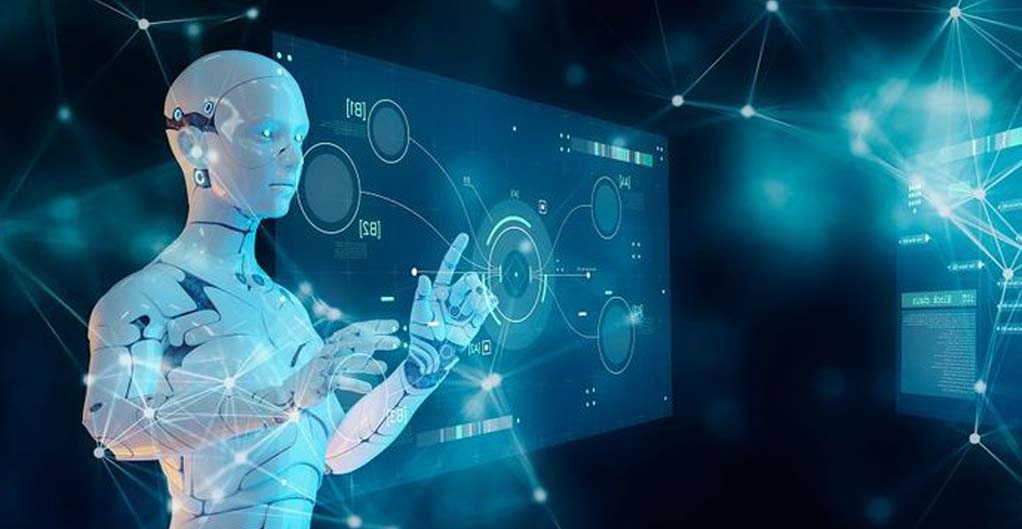
Artificial Emotional Intelligence explores the development of computational systems capable of recognizing, interpreting, and responding to human emotional states in real time. By analyzing multimodal signals such as facial expressions, vocal patterns, language use, and behavioral cues, AEI systems aim to understand the emotional context behind human interactions. This capability enables machines to adapt their responses in ways that feel supportive, empathetic, and contextually appropriate. In human–machine collaboration environments, emotionally aware systems can improve communication, increase user engagement, and foster trust by aligning technological responses with human needs and reactions. The integration of emotional modeling with machine learning and cognitive computing allows AEI to move beyond purely logical processing toward socially intelligent behavior. As a result, Artificial Emotional Intelligence contributes to the development of technologies that are not only functional but also responsive to the emotional dimensions of human experience.

Know More

Animatronics

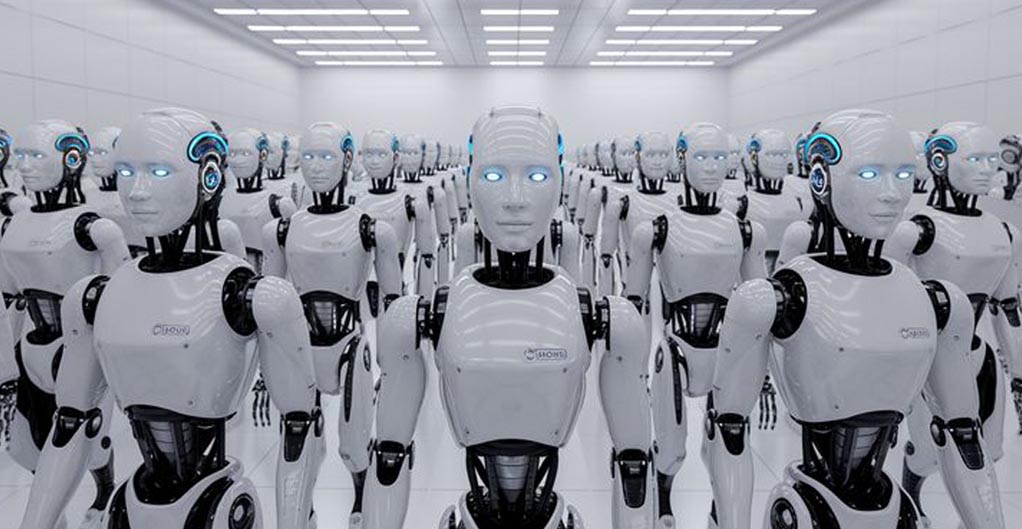
Animatronics combines mechanical engineering, electronics, and intelligent control to create systems capable of lifelike movement and expressive behavior. This field focuses on designing articulated structures that can replicate natural motion patterns through precise actuation and coordinated control mechanisms. By incorporating sensors, feedback systems, and programmable motion sequences, animatronic systems can produce realistic gestures, expressions, and physical responses that enhance human engagement. Applications range from interactive robotics and simulation environments to educational and assistive technologies, where realistic movement improves communication and usability. The integration of design aesthetics with engineering precision allows animatronics to bridge the gap between mechanical function and human perception. Through continuous refinement of materials, motion control, and responsiveness, animatronics contributes to the creation of systems that feel dynamic, expressive, and closely aligned with natural human movement.

Know More

Are you looking for robotics products, internships, and more?

image